Sun Exposure & Fake Tan™
Understanding Why Sun Exposure and Artificial Tanning Can Influence Laser Hair Reduction
Welcome to Sun Exposure & Fake Tan™
One of the most common reasons Laser Hair Reduction appointments need to be postponed is recent sun exposure or the use of fake tanning products.
Many people are surprised to learn that tanning—whether from natural sunlight, sunbeds or self-tanning products—can influence both treatment planning and safety.
At Aeternitas, every recommendation regarding sun exposure is based upon current evidence, recognised professional guidance and our commitment to protecting your skin throughout every stage of treatment.
Our aim is not simply to perform treatment, but to perform it safely.
Why Does Sun Exposure Matter?
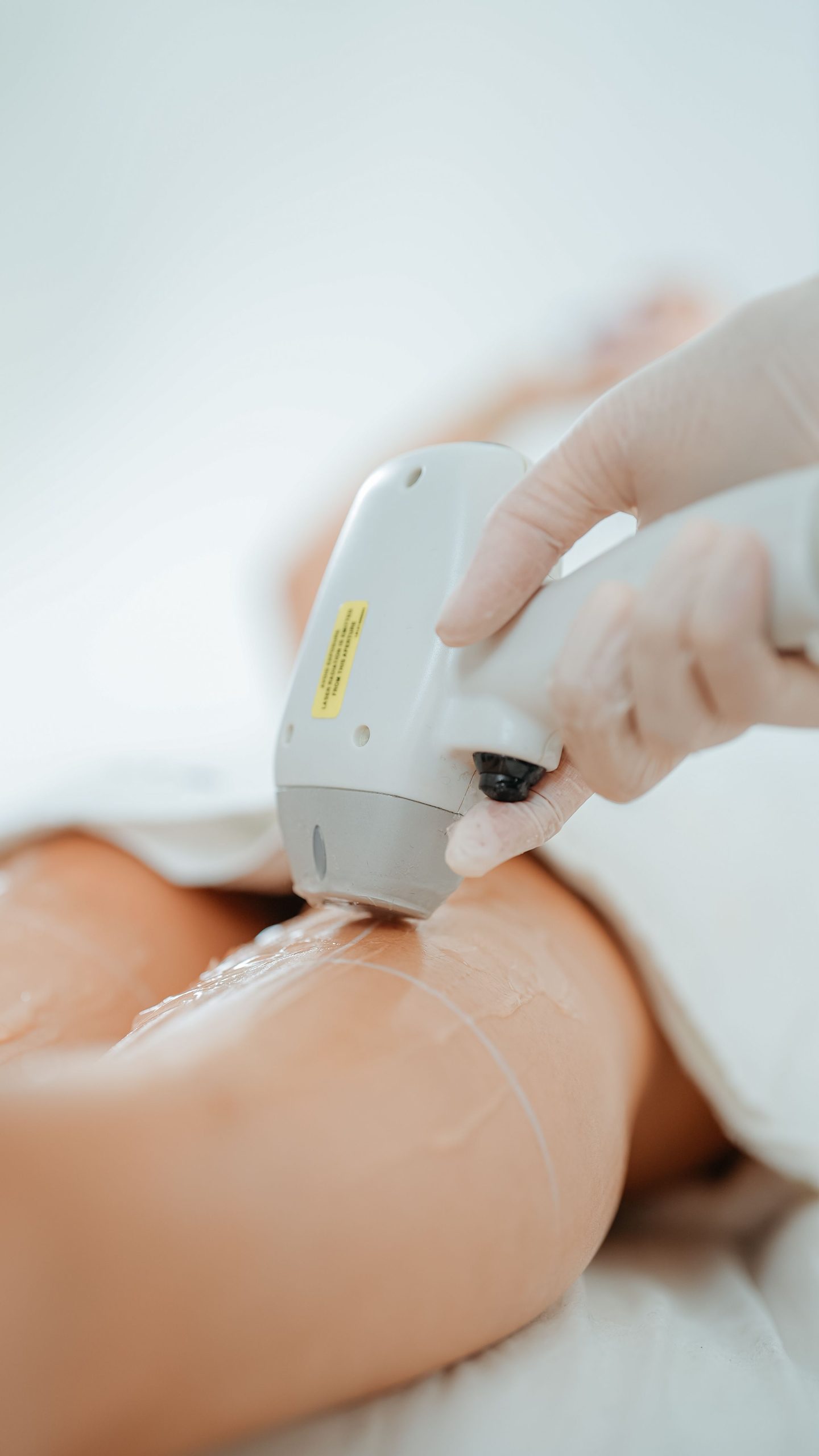
Laser Hair Reduction works by targeting melanin, the pigment naturally found within the hair follicle.
However, melanin is also present within the skin.
When skin becomes darker following sun exposure, there is less contrast between the hair follicle and the surrounding skin.
This can make treatment planning more complex and may increase the likelihood of unwanted skin reactions.
For this reason, recent tanning is an important consideration during your consultation.
How Does Laser Hair Reduction Work?
Laser energy is selectively absorbed by pigment within actively growing hair follicles.
When skin pigmentation changes because of recent tanning, your clinician may need to:
- Reassess treatment suitability.
- Modify treatment parameters.
- Delay treatment until your skin returns closer to its usual colour.
These decisions are made to support your safety rather than inconvenience you.
Natural Sun Exposure
Natural sunlight stimulates the production of melanin as part of the skin’s normal protective response.
This process varies considerably between individuals.
Factors influencing tanning include:
- Fitzpatrick Skin Type.
- Time spent outdoors.
- UV intensity.
- Geographical location.
- Season.
- Previous sun exposure.
Even mild tanning may influence treatment planning.
Sunbeds
Artificial tanning devices expose the skin to ultraviolet radiation in order to stimulate melanin production.
Although the source differs from natural sunlight, the effect on the skin is similar.
Recent sunbed use may increase skin pigmentation and influence Laser Hair Reduction planning in the same way as natural tanning.
Fake Tan Products
Many clients ask whether fake tan is safer than natural tanning before Laser Hair Reduction.
Although fake tanning products do not increase melanin production, they temporarily darken the surface of the skin.
This artificial colour change may interfere with accurate assessment of your natural skin tone and can affect treatment planning.
For this reason, fake tanning products should be fully removed before treatment in accordance with your clinician’s advice.
Why Does Skin Colour Matter?
Laser Hair Reduction is personalised according to:
- Your natural skin tone.
- Hair colour.
- Hair density.
- Hair thickness.
- Fitzpatrick Skin Type.
- Clinical assessment findings.
If your skin tone changes because of tanning, the treatment parameters selected during your consultation may no longer be appropriate.
Your clinician will reassess your skin before every appointment to ensure treatment remains suitable.
Protecting Your Skin During Treatment
Protecting your skin from ultraviolet exposure is an important part of your treatment programme.
Your clinician may recommend:
- Avoiding unnecessary sun exposure.
- Wearing protective clothing.
- Seeking shade during periods of intense sunlight.
- Using a broad-spectrum sunscreen with an appropriate SPF on exposed treated areas.
- Following personalised aftercare advice.
The specific recommendations will depend upon your treatment area and individual clinical assessment.
What Happens If I Arrive With a Tan?
If your clinician believes recent tanning has significantly altered your skin characteristics, treatment may need to be postponed.
Although this can be disappointing, postponement is intended to reduce unnecessary risk and support safe treatment.
Your clinician will explain the reasons clearly and advise when treatment may safely resume.
Holidays and Treatment Planning
Many clients schedule Laser Hair Reduction around holidays.
If you are planning:
- A beach holiday.
- A skiing holiday at high altitude.
- Outdoor sporting events.
- Extended travel to sunny climates.
Please let us know during your consultation.
Planning appointments around periods of increased sun exposure often helps maintain both safety and treatment continuity.
After Treatment
Following Laser Hair Reduction, treated skin may be temporarily more sensitive.
Your clinician will advise you on protecting treated areas while the skin recovers.
Recommendations may include:
- Avoiding excessive sun exposure.
- Protecting exposed treatment areas.
- Following your personalised aftercare plan.
- Contacting us if you have any concerns.
Common Misconceptions™
“Cloudy weather means I can’t get sun damage.”
Ultraviolet radiation can still reach the skin on cloudy days.
Protecting treated skin remains important throughout the year.
“A light tan doesn’t matter.”
Even subtle changes in skin pigmentation may influence treatment planning.
Your clinician will assess your skin before every appointment.
“Fake tan is completely safe before laser.”
Fake tan does not increase melanin production, but it can affect accurate assessment of your natural skin tone.
Your clinician will advise when fake tanning products should be discontinued and removed before treatment.
“Once treatment is finished, sun protection no longer matters.”
Protecting your skin remains an important part of maintaining overall skin health, regardless of whether your treatment programme has finished.
Our Commitment to Safety™
At Aeternitas, recommendations regarding sun exposure are never arbitrary.
Every decision is based upon:
- Clinical assessment.
- Current evidence.
- Professional guidance.
- Your individual skin characteristics.
If treatment is postponed because of recent tanning, it is because we believe this is the safest course of action.
Why Choose Aeternitas?™
Protecting your skin is as important as reducing unwanted hair.
We believe successful treatment depends upon careful planning before every appointment—not simply operating a laser.
Our recommendations regarding sun exposure are based upon recognised professional guidance, clinical assessment and a commitment to delivering safe, evidence-informed care.
Everything we do reflects our guiding principles:
- Truth
- Trust
- Clinical Excellence
- Personalised Care
The Art of Scientific Aesthetics
Frequently Asked Questions
Your clinician will advise you on appropriate precautions before and after treatment.
Where possible, avoiding unnecessary tanning during your treatment programme helps maintain consistent treatment planning.
Yes.
Please let us know about any recent or planned holidays involving significant sun exposure so your appointments can be planned appropriately.
Sunscreen forms one part of skin protection, but it does not mean unlimited sun exposure is appropriate during your Laser Hair Reduction programme.
Your clinician will advise you on the most suitable approach for your individual circumstances.
This article links closely with:
- Patch Testing & Laser Safety™
- Medications & Photosensitivity™
- Pregnancy & Breastfeeding™
- Understanding Fitzpatrick Skin Types™
- Skin Conditions & Laser Hair Reduction™
- When Treatment Should Be Postponed™
- Contraindications Explained™