Ingrown Hairs & Pseudofolliculitis™
Understanding Ingrown Hairs, Razor Bumps & Personalised Laser Hair Reduction
Understanding Why Hair Sometimes Grows Back Into the Skin
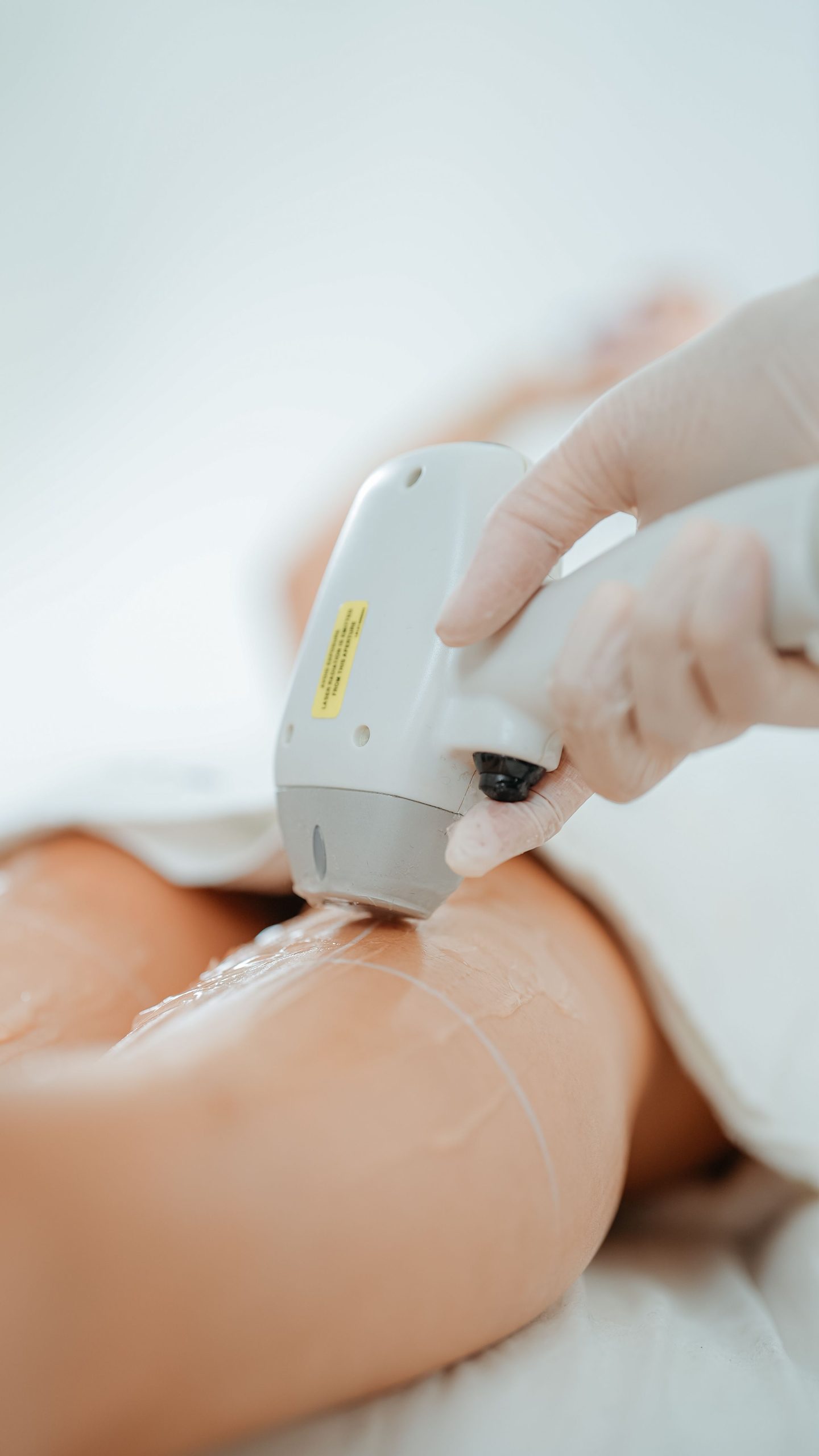
Welcome to Ingrown Hairs & Pseudofolliculitis™
Ingrown hairs are a common concern affecting both men and women.
They may occur after shaving, waxing, plucking or other hair removal methods and can affect almost any area of the body. While many ingrown hairs settle naturally, some become inflamed, uncomfortable or repeatedly recur in the same location.
For some individuals, repeated ingrown hairs may also lead to skin discolouration, scarring or persistent irritation.
At Aeternitas, we believe understanding why ingrown hairs occur is the first step towards managing them safely and effectively.
Because every recommendation begins with understanding.
What Is an Ingrown Hair?
Normally, a hair grows upwards through the hair follicle and emerges naturally from the surface of the skin.
An ingrown hair develops when the hair fails to emerge correctly and instead curls or grows back into the surrounding skin.
The body may recognise this trapped hair as a foreign body, leading to local inflammation.
This may result in:
- Small raised bumps.
- Redness.
- Tenderness.
- Local discomfort.
- Itching.
- Occasionally small pustules.
Where Do Ingrown Hairs Commonly Occur?
Ingrown hairs can occur anywhere hair is removed but are particularly common on the:
Face
- Beard area.
- Neck.
- Chin.
Body
- Underarms.
- Chest.
- Abdomen.
- Bikini line.
- Intimate areas.
- Legs.
- Back.
Areas subject to frequent shaving or friction are often more susceptible.
Why Do Ingrown Hairs Develop?
Several factors may increase the likelihood of ingrown hairs.
These include:
Curly or Coarse Hair
Curved hairs are more likely to bend back towards the skin after shaving.
Frequent Shaving
Close shaving can leave a sharp hair tip that more easily re-enters the skin.
Waxing or Plucking
As hair regrows, it may emerge at an angle or become trapped beneath the skin.
Friction
Tight clothing, sports equipment or repeated rubbing may increase irritation around hair follicles.
Dead Skin Build-Up
Excess dead skin cells may partially block the follicle opening, making it more difficult for the hair to emerge normally.
What Is Pseudofolliculitis?
Pseudofolliculitis is the medical term used when ingrown hairs cause an inflammatory reaction.
The most familiar example is Pseudofolliculitis Barbae, often called razor bumps, which commonly affects the beard and neck following shaving.
Although the name sounds similar to folliculitis, it is important to understand that pseudofolliculitis is not always an infection.
Instead, it is primarily an inflammatory response to hairs growing back into the skin.
Ingrown Hairs Are Not Always Infected
Many people assume redness automatically means infection.
In reality, many ingrown hairs are simply inflamed.
However, repeated irritation may occasionally allow bacteria to enter the area, resulting in a secondary infection.
Understanding this difference is important because management may differ.
Can Ingrown Hairs Leave Marks?
Repeated inflammation may sometimes contribute to:
- Post-inflammatory hyperpigmentation.
- Temporary skin discolouration.
- Small scars.
- Changes in skin texture.
Reducing repeated trauma to the follicle may help reduce the likelihood of these changes.
How Can Laser Hair Reduction Help?
Where clinically appropriate, Laser Hair Reduction may reduce the number of actively growing hairs requiring repeated shaving or waxing.
For suitable individuals, this may reduce the frequency of new ingrown hairs over time.
Laser Hair Reduction is not an emergency treatment for an inflamed ingrown hair, and active infection or significant inflammation may need to settle before treatment proceeds safely.
Every recommendation is based on your Clinical Assessment Framework™.
When Should Medical Advice Be Sought?
You should consider seeking medical advice if you experience:
- Worsening redness.
- Increasing pain.
- Significant swelling.
- Recurrent abscess formation.
- Fever or feeling generally unwell.
- Persistent discharge.
- Extensive inflammation.
These symptoms may require medical assessment and are not situations where Laser Hair Reduction should replace appropriate healthcare.
Could Laser Hair Reduction Be Suitable For Me?
Laser Hair Reduction may be appropriate if you:
- Experience frequent ingrown hairs.
- Develop repeated irritation after shaving.
- Wish to reduce long-term hair growth.
- Have realistic expectations regarding treatment.
Suitability is determined during your consultation.
Clinical Assessment Framework™
Every consultation includes assessment of:
- Hair type.
- Hair thickness.
- Hair curl pattern.
- Skin type.
- Previous hair removal methods.
- History of ingrown hairs.
- Active inflammation.
- Signs of infection.
- Medical history.
- Current medications.
- Treatment goals.
Laser Hair Reduction Fact™
Curly terminal hairs are more likely to re-enter the skin after shaving than straight hairs.
Treatment Preparation Tip™
Avoid picking or squeezing ingrown hairs.
This may increase inflammation and raise the risk of infection or scarring.
Laser Safety Spotlight™
Active infection or significant inflammation may mean treatment should be postponed until the skin has healed sufficiently.
Your clinician will always assess whether it is safe to proceed.
Skin Protection Advice™
Keeping the skin healthy may help reduce irritation.
Your clinician may discuss:
- Appropriate cleansing.
- Gentle exfoliation where suitable.
- Moisturising.
- Shaving technique.
- Post-treatment skincare.
Recommendations are always personalised according to your skin type and treatment area.
Aeternitas Safety First™
Not every red bump following shaving is the same.
Some represent simple ingrown hairs.
Others may involve inflammation or infection.
Our role is to assess the skin carefully before recommending treatment, ensuring your programme supports both safety and long-term skin health.
Potential Benefits
Where clinically appropriate, Laser Hair Reduction may help support:
- Progressive reduction in unwanted hair.
- Reduced shaving frequency.
- Fewer recurring ingrown hairs.
- Reduced shaving-related irritation.
- Improved skin comfort.
- Greater confidence.
Individual outcomes vary and cannot be guaranteed.
Did You Know?™
People with naturally curly or tightly curled hair often have a greater tendency to develop ingrown hairs because curved hairs are more likely to re-enter the skin after shaving.
Myth vs Science™
Myth
“Every ingrown hair is infected.”
Science
Most ingrown hairs are inflamed rather than infected.
Although secondary infection can occur, many cases represent the body’s inflammatory response to a hair growing back into the skin.
Aeternitas Clinical Insight™
Repeated ingrown hairs are not simply a cosmetic concern.
For many people, they can become a recurring cycle of inflammation, discomfort and repeated shaving.
By understanding the underlying biology and reducing the need for repeated hair removal where appropriate, a personalised Laser Hair Reduction programme may help interrupt that cycle while supporting healthier skin over time.
Looking Ahead™
The next page explores Razor Bumps & Shaving Irritation™, focusing on why shaving can trigger irritation, how this differs from infection and practical strategies for reducing shaving-related skin problems through education, skincare and personalised Laser Hair Reduction where clinically appropriate.
The Art of Scientific Aesthetics
Frequently Asked Questions
It is a long established fact that a read will be distracted by the readable content of a page when looking at its layout. The point of using Lorem Ipsum is that it has a more or less.
It is a long established fact that a read will be distracted by the readable content of a page when looking at its layout. The point of using Lorem Ipsum is that it has a more or less.
It is a long established fact that a read will be distracted by the readable content of a page when looking at its layout. The point of using Lorem Ipsum is that it has a more or less.
It is a long established fact that a read will be distracted by the readable content of a page when looking at its layout. The point of using Lorem Ipsum is that it has a more or less.
It is a long established fact that a read will be distracted by the readable content of a page when looking at its layout. The point of using Lorem Ipsum is that it has a more or less.