
Consent, Privacy & Chaperones™
Understanding Your Rights, Privacy and Professional Standards During Laser Hair Reduction
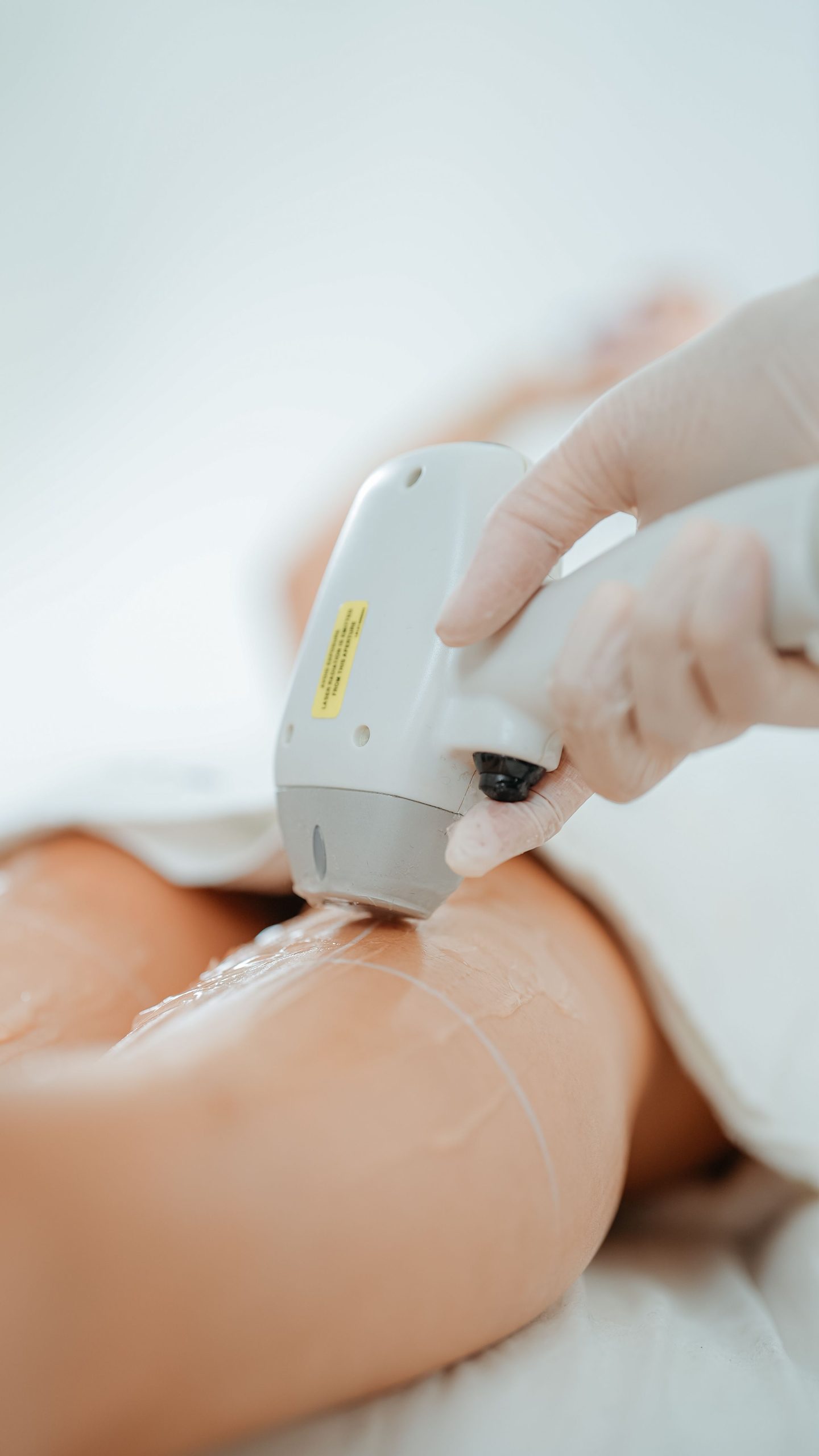
Welcome to Consent, Privacy & Chaperones™
At Aeternitas, clinical excellence is about far more than delivering effective treatments.
Every consultation and every appointment should also be built upon:
- Respect.
- Privacy.
- Dignity.
- Clear communication.
- Informed consent.
- Professionalism.
Laser Hair Reduction often involves treatment of personal or intimate areas of the body. We understand that some clients may feel anxious, embarrassed or vulnerable before treatment begins.
Our responsibility is to create an environment where you feel informed, respected and in control throughout every stage of your treatment journey.
What Is Informed Consent?
Informed consent is much more than signing a form.
It is an ongoing conversation between you and your clinician.
Before treatment begins, you should understand:
- What the treatment involves.
- Why it has been recommended.
- The expected benefits.
- Potential risks and limitations.
- Alternative options where appropriate.
- Expected recovery.
- Aftercare requirements.
- The opportunity to ask questions.
Consent should always be given freely and without pressure.
Consent Is Ongoing
Consent is not something that happens only once.
Before every appointment we confirm:
- You still wish to proceed.
- Your medical history remains accurate.
- There have been no significant changes since your previous appointment.
- You understand the treatment planned for that visit.
- You have had the opportunity to ask further questions.
You remain in control throughout your treatment programme.
Your Right to Change Your Mind
You may decide not to proceed with treatment at any stage.
This includes:
- Before treatment begins.
- During your consultation.
- During treatment if you wish to stop.
- Before future appointments.
Choosing not to proceed will never affect the professionalism, respect or courtesy you receive from our team.
Your Privacy Matters
Protecting your privacy forms part of good clinical care.
Only the areas required for treatment will be exposed.
All other areas remain appropriately covered throughout your appointment whenever possible.
Your clinician will explain:
- Which treatment areas need to be accessed.
- How positioning will be managed.
- What to expect before treatment begins.
We aim to minimise unnecessary exposure while maintaining safe access for treatment.
Maintaining Your Dignity
Every member of the Aeternitas clinical team is committed to preserving your dignity.
This includes:
- Professional communication.
- Respectful language.
- Appropriate draping.
- Clear explanations.
- Allowing sufficient time for changing.
- Never rushing intimate treatments.
- Responding respectfully to questions or concerns.
Our priority is helping you feel comfortable and respected throughout your appointment.
Chaperones
A chaperone is an appropriately trained person who is present during a consultation or treatment.
A chaperone helps provide reassurance, supports professional standards and promotes comfort for both the client and clinician.
At Aeternitas, we actively support the use of chaperones whenever appropriate.
Our Two-Clinician Model
One of the defining features of Aeternitas is our commitment to a two-clinician operating model for treatments involving laser and advanced aesthetic devices.
This approach supports:
- Client safety.
- Professional accountability.
- Clinical governance.
- Emergency preparedness.
- Enhanced safeguarding.
- Client reassurance.
For many treatments, particularly those involving intimate areas or advanced energy-based devices, two appropriately trained clinicians may be present as part of our normal operating procedures.
This reflects our commitment to maintaining exceptionally high clinical standards.
Intimate Area Treatments
We understand that intimate treatments require particular sensitivity.
Before treatment begins your clinician will explain:
- The treatment area.
- Positioning.
- Expected duration.
- How dignity will be maintained.
- The role of any assisting clinician or chaperone.
You are encouraged to ask questions at any stage.
Professionalism remains central throughout the appointment.
Communication Is Encouraged
You should always feel comfortable telling your clinician if:
- You would like more information.
- You need a short break.
- You feel uncomfortable.
- You would like treatment to stop.
- You have concerns about privacy.
- You do not understand part of the treatment.
Open communication helps us provide better care.
Clinical Photography
Where clinical photographs are recommended, we will explain:
- Why photographs are being taken.
- How they support treatment planning.
- How they will be stored securely.
- Who may access them.
- Whether separate consent is required.
Clinical photography is never undertaken without appropriate explanation and consent.
Confidentiality
Information shared during your consultation is treated confidentially in accordance with applicable legal and professional responsibilities.
This includes:
- Medical history.
- Treatment records.
- Clinical photographs.
- Consultation notes.
- Personal information.
Your information is handled responsibly and only used for legitimate clinical and operational purposes.
Respecting Individual Needs
Every client is different.
If you have particular requirements relating to:
- Cultural considerations.
- Religious practices.
- Disability.
- Communication needs.
- Anxiety.
- Previous healthcare experiences.
Please let us know.
Where reasonably possible, we will adapt our approach to support your comfort while maintaining safe clinical practice.
Safeguarding
Aeternitas is committed to maintaining a safe environment for every client.
If we identify concerns relating to:
- Capacity to provide informed consent.
- Coercion.
- Abuse.
- Exploitation.
- Vulnerability.
Our clinicians have a professional responsibility to act appropriately in accordance with safeguarding principles and applicable legal obligations.
Common Misconceptions™
“Once I’ve signed the consent form, I have to continue.”
No.
You may withdraw your consent at any stage before or during treatment.
“Asking questions wastes the clinician’s time.”
Absolutely not.
Questions are encouraged and form an important part of informed consent.
“I have to feel embarrassed during intimate treatment.”
No.
Our clinicians are trained to provide intimate treatments professionally, respectfully and without judgement.
Your comfort and dignity are important to us.
“A chaperone means something is wrong.”
Not at all.
Chaperones and our two-clinician model support good professional practice, clinical governance and client reassurance.
Our Commitment to Ethical Practice™
Every consultation and treatment at Aeternitas is guided by four principles:
- Respect for your autonomy.
- Protection of your dignity.
- Honest communication.
- Evidence-informed clinical care.
These principles underpin every recommendation we make and every treatment we perform.
Why Choose Aeternitas?™
At Aeternitas, we believe that outstanding aesthetic care is built upon trust.
Trust begins when clients know they will be listened to, respected and treated as partners in every clinical decision.
Our commitment extends beyond delivering excellent Laser Hair Reduction.
It includes protecting your dignity, respecting your choices and maintaining the highest standards of professionalism throughout your entire treatment journey.
Everything we do reflects our guiding principles:
- Truth
- Trust
- Clinical Excellence
- Personalised Care
The Art of Scientific Aesthetics
Frequently Asked Questions

Yes.
You should never feel pressured into making a decision about treatment.
Absolutely.
You are encouraged to communicate with your clinician throughout your appointment.
Yes.
You remain in control throughout your treatment.
If you wish to stop, simply tell your clinician.
This article links closely with:
- Patch Testing & Laser Safety™
- Contraindications Explained™
- When Treatment Should Be Postponed™
- Personal Hygiene Before & After Laser Treatment™
- Pregnancy & Breastfeeding™
- Clinical Assessment Framework™
- Consultation Process™