
Medications & Photosensitivity™
Understanding How Medications May Influence Laser Hair Reduction Safety and Treatment Planning
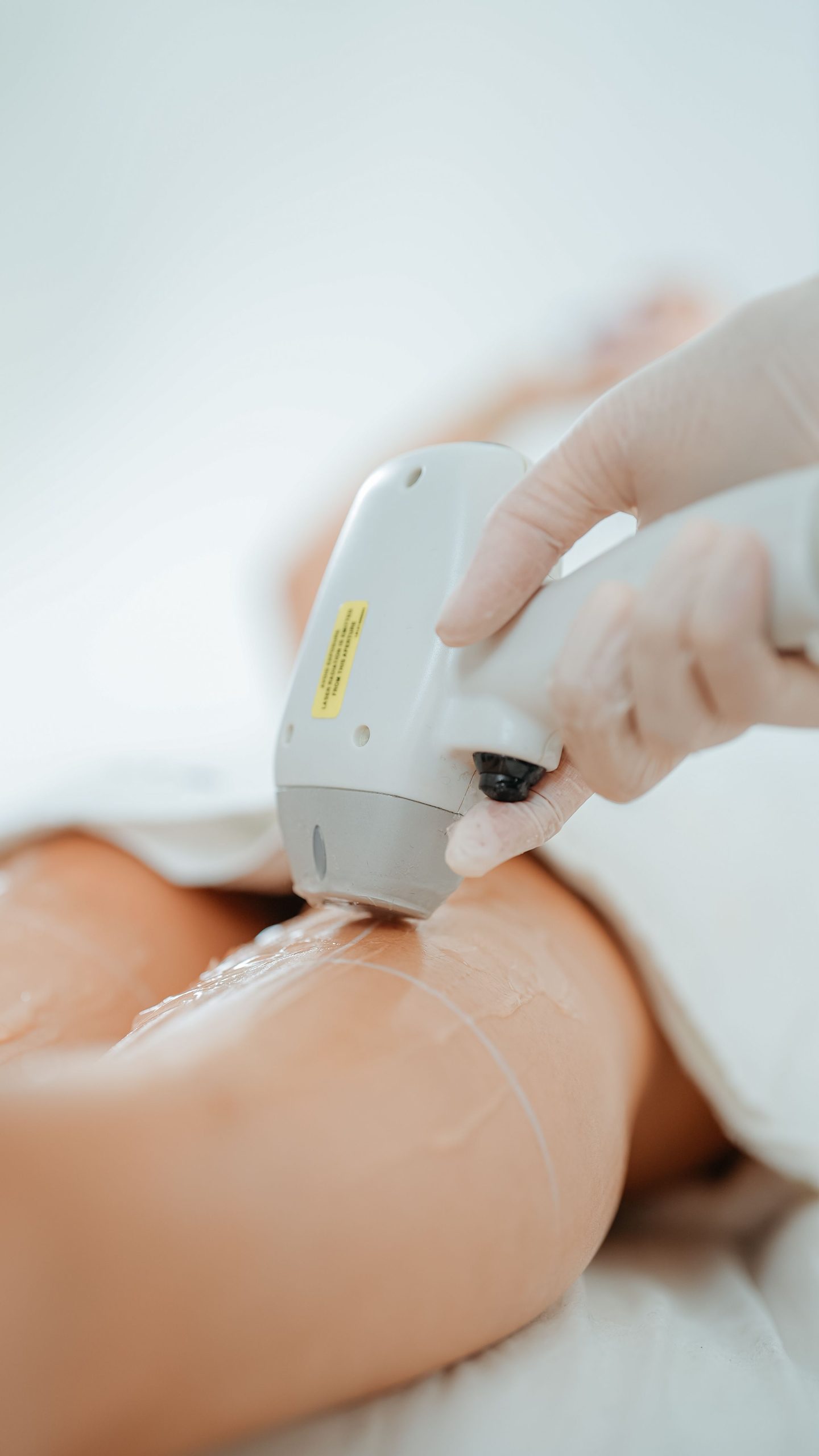
Welcome to Medications & Photosensitivity™
Before beginning Laser Hair Reduction, one of the most important parts of your consultation is reviewing your medical history and current medications.
Many people assume that only skin conditions influence whether laser treatment is suitable. In reality, certain medications can temporarily alter how your skin responds to laser energy.
Some medicines increase the skin’s sensitivity to light, while others may affect healing, pigmentation or your body’s normal inflammatory response.
At Aeternitas, we carefully review your medications because safe treatment depends on understanding your individual circumstances, not simply following a checklist.
What Is Photosensitivity?
Photosensitivity describes an increased sensitivity of the skin to light.
Although the term is often associated with sunlight, some medications may also increase the skin’s sensitivity to artificial light sources, including medical and cosmetic laser devices.
Photosensitivity does not affect everyone taking a particular medication, and the degree of sensitivity varies considerably between individuals.
Why Does This Matter?
Laser Hair Reduction works by delivering carefully controlled light energy into the hair follicle.
If the skin has become unusually sensitive because of medication, there may be an increased likelihood of unwanted skin reactions.
For this reason, your clinician needs an accurate and up-to-date list of all medications before treatment begins.
Which Types of Medication May Be Relevant?
Many different medicines may influence treatment planning.
Examples include:
Antibiotics
Some antibiotics may temporarily increase photosensitivity.
Examples include certain:
- Tetracyclines.
- Fluoroquinolones.
- Sulfonamides.
Treatment may need to be postponed until your course of medication has been completed and your clinician considers it appropriate to proceed.
Acne Medications
Certain prescription acne treatments require particular care.
Some medicines may affect:
- Skin sensitivity.
- Skin healing.
- Barrier function.
Your clinician will discuss your treatment history during consultation and advise whether postponement or additional precautions are appropriate.
Retinoids
Prescription retinoids may increase skin sensitivity.
Both oral and topical retinoid therapies may require adjustments to treatment planning depending upon:
- The medication.
- Dose.
- Treatment area.
- Duration of use.
- Clinical assessment.
Always inform your clinician if you are using prescription or over-the-counter retinoid products.
Hormonal Medications
Hormonal medications may influence:
- Hair growth.
- Hair density.
- Long-term treatment response.
These medications do not necessarily prevent Laser Hair Reduction, but they may influence programme planning and maintenance recommendations.
Immunosuppressive Medicines
Medicines that alter the immune system may influence:
- Healing.
- Infection risk.
- Inflammatory response.
Your clinician will assess whether treatment is appropriate in consultation with your overall medical history.
Blood-Thinning Medications
Certain anticoagulant or antiplatelet medicines do not necessarily prevent treatment but may influence how your skin responds following treatment.
Your clinician will discuss this during consultation where relevant.
Herbal Supplements Matter Too
Prescription medicines are not the only consideration.
Some herbal remedies and nutritional supplements may also influence:
- Skin sensitivity.
- Healing.
- Bruising.
- Inflammatory response.
Examples include:
- St John’s Wort.
- Certain essential oils.
- High-dose vitamin supplements.
- Herbal preparations.
Please tell us about everything you take, even if you purchased it without a prescription.
Do I Need to Tell You About Every Medication?
Yes.
Please inform your clinician about:
- Prescription medicines.
- Over-the-counter medicines.
- Creams and ointments.
- Acne treatments.
- Hormonal treatments.
- Herbal supplements.
- Vitamins.
- Cosmetic skincare containing active ingredients.
Even if you think something is unrelated to Laser Hair Reduction, it may still influence treatment planning.
Never Stop Medication Without Medical Advice
Some clients worry that they must stop taking medication before Laser Hair Reduction.
This is not something you should decide on your own.
Never stop, reduce or alter prescribed medication unless advised to do so by the healthcare professional responsible for your care.
If a medicine affects treatment suitability, we will usually recommend postponing treatment rather than asking you to interrupt essential medical treatment.
What Happens During My Consultation?
During your consultation your clinician will ask about:
- Current medications.
- Recent medication changes.
- Previous medication reactions.
- Medical conditions.
- Previous laser treatment.
- Active skincare products.
- Recent illness.
This information allows us to determine whether treatment should:
- Proceed as planned.
- Be modified.
- Be postponed.
- Require further medical information.
Temporary Postponement Is Sometimes the Safest Option
Occasionally the safest decision is simply to delay treatment.
This does not necessarily mean you cannot have Laser Hair Reduction.
Instead, postponement allows:
- Medication courses to finish.
- Skin sensitivity to settle.
- Healing to occur.
- Treatment to proceed under safer conditions.
Our recommendations are always made in your best interests.
Common Misconceptions™
“It’s only antibiotics.”
Some antibiotics have no effect on treatment planning, while others may increase photosensitivity. Always let us know when you begin a new course of medication.
“Natural supplements don’t matter.”
Natural does not always mean clinically irrelevant.
Some herbal supplements and complementary therapies may affect the skin’s response to treatment.
“I’ve taken this medication before without problems.”
Your health, skin and treatment area may have changed since your previous course of medication.
Each consultation is based on your current circumstances.
“I forgot to mention my medication.”
Please tell us as soon as possible.
It is always better to review treatment before your appointment than to proceed without complete information.
Our Commitment to Safe Treatment
Medication reviews are not intended to create unnecessary barriers to treatment.
They are an essential part of responsible clinical practice.
By understanding your medical history, we can:
- Select appropriate treatment parameters.
- Recognise when treatment should be modified.
- Identify when postponement is appropriate.
- Support safe, personalised care.
Why Choose Aeternitas?™
At Aeternitas, reviewing your medications is not about finding reasons to decline treatment.
It is about ensuring that every recommendation reflects your current health, your treatment goals and the best available clinical evidence.
If treatment is appropriate, we will explain why.
If treatment should be postponed, we will explain that too—clearly, honestly and without pressure.
Everything we do reflects our guiding principles:
- Truth
- Trust
- Clinical Excellence
- Personalised Care
The Art of Scientific Aesthetics
Frequently Asked Questions

Please contact us before your next appointment.
Even if the medication seems unrelated, it may influence your treatment plan.
Sometimes.
Significant changes to your medical history or medications may require reassessment and, where appropriate, repeat patch testing before treatment continues.
Yes.
If you are unsure of medication names or doses, bringing a current list or photograph of your prescription can help ensure your consultation is accurate and complete.
This article links closely with:
- Patch Testing & Laser Safety™
- Pregnancy & Breastfeeding™
- Sun Exposure & Fake Tan™
- Skin Conditions & Laser Hair Reduction™
- Contraindications Explained™
- When Treatment Should Be Postponed™
- Understanding Permanent Hair Reduction™