Folliculitis & Hair-Related Skin Concerns™
Understanding Folliculitis, Hair Follicle Inflammation & Personalised Laser Hair Reduction
Understanding Hair Follicle Health Before Treatment
Welcome to Folliculitis & Hair-Related Skin Concerns™
Hair follicles are living structures embedded within the skin.
Like any part of the body, they can become irritated, inflamed or, in some cases, infected. This inflammation is commonly known as folliculitis.
Although folliculitis is often mild and short-lived, repeated episodes may become uncomfortable, interfere with daily grooming or occasionally leave changes in the skin.
At Aeternitas, we believe understanding the cause of folliculitis is essential before considering Laser Hair Reduction.
Our role is to assess your skin carefully, explain what may be happening and recommend treatment only when it is clinically appropriate.
Because every recommendation begins with understanding.
What Is Folliculitis?
Folliculitis describes inflammation affecting one or more hair follicles.
The inflammation may be:
- Mild.
- More widespread.
- Short-term (acute).
- Recurrent.
- Occasionally associated with infection.
Folliculitis can affect people of all ages and may occur almost anywhere hair grows.
Common Areas Affected
Folliculitis frequently develops on:
Face
- Beard area.
- Neck.
- Chin.
Upper Body
- Chest.
- Back.
- Shoulders.
Lower Body
- Legs.
- Underarms.
- Bikini line.
- Intimate areas.
Areas exposed to friction, perspiration or frequent hair removal may be more susceptible.
What Causes Folliculitis?
Folliculitis has many possible causes.
These may include:
Bacterial Infection
Some cases are associated with bacteria, particularly when the skin barrier has been disrupted.
Fungal Causes
Certain fungal organisms may occasionally contribute to inflammation of the hair follicles.
Repeated Friction
Tight clothing, sports equipment and repeated rubbing may irritate hair follicles.
Shaving
Frequent shaving may contribute to irritation around the follicle and may also increase the likelihood of ingrown hairs.
Occlusion
Heavy creams, oils or prolonged skin occlusion may occasionally contribute in susceptible individuals.
Hot, Humid Environments
Heat, sweating and moisture may encourage irritation in some circumstances.
Folliculitis Is Not Always an Infection
Many people assume folliculitis automatically means infection.
In reality:
- Some cases are infectious.
- Some are inflammatory.
- Some result from irritation.
- Some are associated with ingrown hairs.
Understanding the underlying cause is important because appropriate management differs.
Symptoms May Include
Folliculitis may present with:
- Small red bumps.
- Pustules.
- Tenderness.
- Itching.
- Mild discomfort.
- Local inflammation.
- Crusting in some cases.
Symptoms vary considerably between individuals.
Can Folliculitis Recur?
Yes.
Some people experience repeated episodes, particularly if underlying contributing factors remain present.
Examples include:
- Frequent shaving.
- Recurrent friction.
- Excess perspiration.
- Curly hair prone to ingrowing.
- Certain medical conditions.
Reducing these contributing factors may help reduce recurrence.
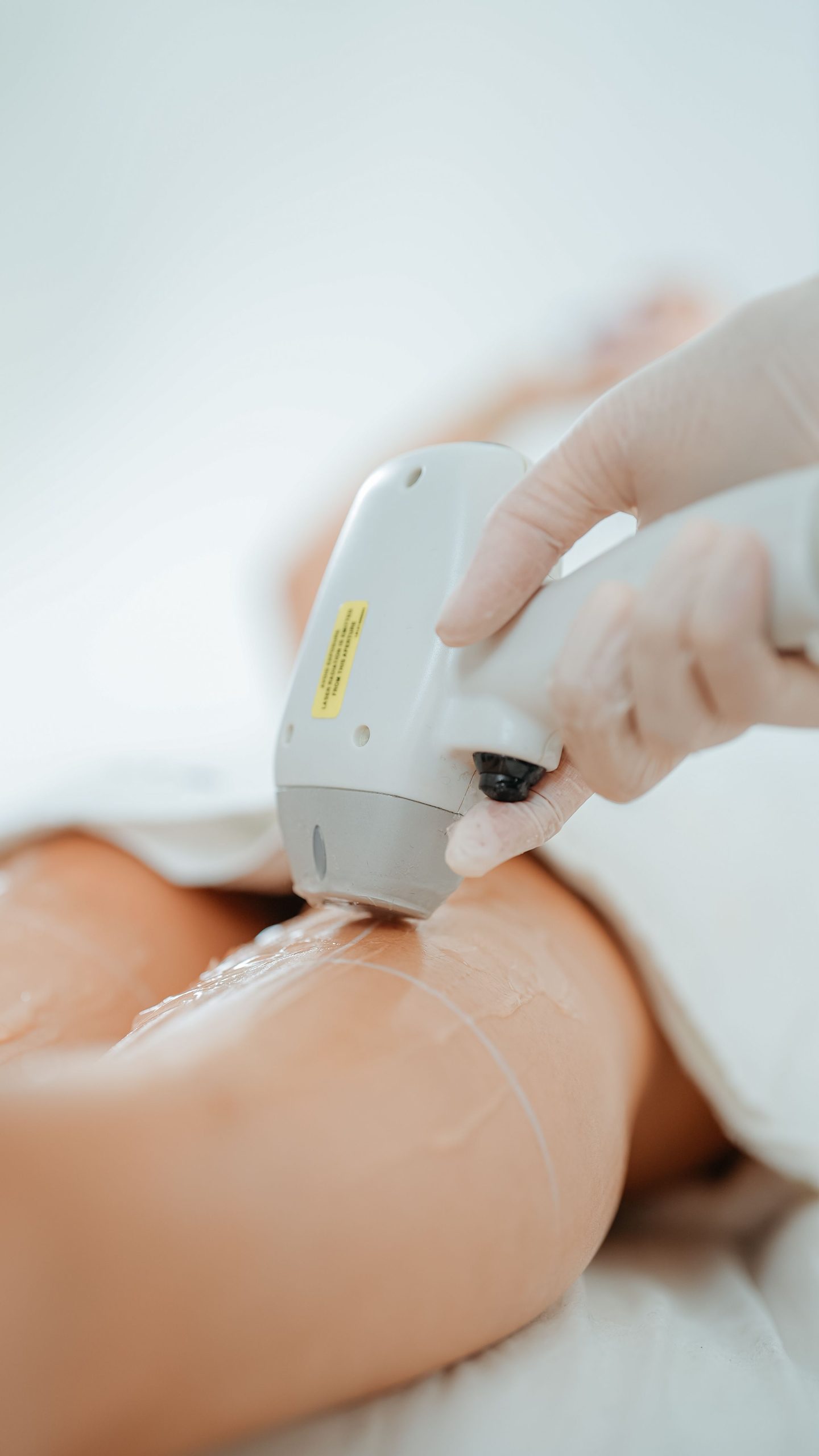
How Can Laser Hair Reduction Help?
Laser Hair Reduction is not a treatment for active folliculitis.
However, where repeated shaving contributes to recurring follicular irritation, reducing long-term hair growth may help decrease the frequency of shaving and therefore reduce one of the contributing factors in suitable individuals.
Treatment is only considered once active inflammation or infection has resolved and the skin has been assessed as suitable.
When Should Medical Advice Be Sought?
Medical assessment is recommended if you experience:
- Increasing redness.
- Significant pain.
- Extensive swelling.
- Recurrent abscesses.
- Fever or feeling generally unwell.
- Widespread or persistent folliculitis.
- Symptoms that fail to improve.
Laser Hair Reduction should never replace appropriate medical diagnosis or treatment.
Looking After Your Skin
Healthy skin supports healthy hair follicles.
Simple measures may include:
- Gentle cleansing.
- Avoiding unnecessary friction.
- Wearing breathable clothing where appropriate.
- Using shaving techniques that minimise irritation.
- Following personalised skincare advice.
Recommendations are always tailored to your individual needs.
Could Laser Hair Reduction Be Suitable For Me?
Laser Hair Reduction may be appropriate if:
- You experience repeated shaving-related follicular irritation.
- You wish to reduce long-term hair growth.
- Your skin is healthy enough for treatment.
- Active infection or significant inflammation has resolved.
Suitability is determined during your Clinical Assessment Framework™ consultation.
Clinical Assessment Framework™
Your consultation may include assessment of:
- Hair characteristics.
- Skin type.
- Distribution of folliculitis.
- Active inflammation.
- Signs of infection.
- Medical history.
- Current medications.
- Previous hair removal methods.
- Lifestyle.
- Sporting activities.
- Treatment goals.
This helps ensure treatment is both safe and appropriate.
Laser Hair Reduction Fact™
Laser Hair Reduction should not be performed over areas of active infection.
Healthy skin is an important foundation for safe treatment.
Treatment Preparation Tip™
If you currently have inflamed or infected follicles, avoid squeezing or picking the affected area.
Allow the skin to recover and seek medical advice if symptoms worsen.
Laser Safety Spotlight™
Active skin infections may require treatment to be postponed.
Our clinicians will always assess whether your skin is suitable before proceeding with Laser Hair Reduction.
Skin Protection Advice™
Maintaining the skin barrier through gentle cleansing, moisturising where appropriate and protecting the skin from unnecessary irritation supports healthier follicles and recovery.
Aeternitas Safety First™
Patient safety always comes before treatment.
If active folliculitis, infection or significant inflammation is present, we may recommend postponing Laser Hair Reduction until the skin has recovered or appropriate medical treatment has been completed.
Our priority is always to treat the right condition at the right time.
Potential Benefits
Where clinically appropriate and once the skin is healthy enough for treatment, Laser Hair Reduction may help support:
- Progressive long-term reduction in unwanted hair.
- Reduced dependence on frequent shaving.
- Reduced shaving-related follicular irritation.
- Improved skin comfort.
- Greater convenience.
- Increased confidence.
Individual outcomes vary and cannot be guaranteed.
Did You Know?™
Not every red bump around a hair follicle is caused by the same process.
Ingrown hairs, pseudofolliculitis, folliculitis and simple shaving irritation can appear similar but may have different underlying causes.
Myth vs Science™
Myth
“Laser Hair Reduction can treat active folliculitis.”
Science
Laser Hair Reduction is not a treatment for active infection or significant inflammation.
Where appropriate, medical treatment should be sought first. Once the skin has recovered and is clinically suitable, Laser Hair Reduction may help reduce one of the contributing factors—repeated hair removal—in suitable individuals.
Aeternitas Clinical Insight™
Healthy hair follicles depend on healthy skin.
One of the most important parts of Laser Hair Reduction is recognising when not to treat. By assessing the skin carefully before every appointment, we help ensure treatment is performed only when it is safe and clinically appropriate.
This cautious, assessment-led approach reflects our commitment to Truth • Trust • Clinical Excellence • Personalised Care.
Looking Ahead™
You have now completed the Understanding Unwanted Hair™ educational section of the Laser Hair Reduction Collection™.
The Art of Scientific Aesthetics
Frequently Asked Questions

It is a long established fact that a read will be distracted by the readable content of a page when looking at its layout. The point of using Lorem Ipsum is that it has a more or less.
It is a long established fact that a read will be distracted by the readable content of a page when looking at its layout. The point of using Lorem Ipsum is that it has a more or less.
It is a long established fact that a read will be distracted by the readable content of a page when looking at its layout. The point of using Lorem Ipsum is that it has a more or less.
It is a long established fact that a read will be distracted by the readable content of a page when looking at its layout. The point of using Lorem Ipsum is that it has a more or less.
It is a long established fact that a read will be distracted by the readable content of a page when looking at its layout. The point of using Lorem Ipsum is that it has a more or less.