Hair Follicle Anatomy & Laser Science™
Understanding the Biology of the Hair Follicle & How Laser Hair Reduction Works
Understanding the Science Beneath the Skin
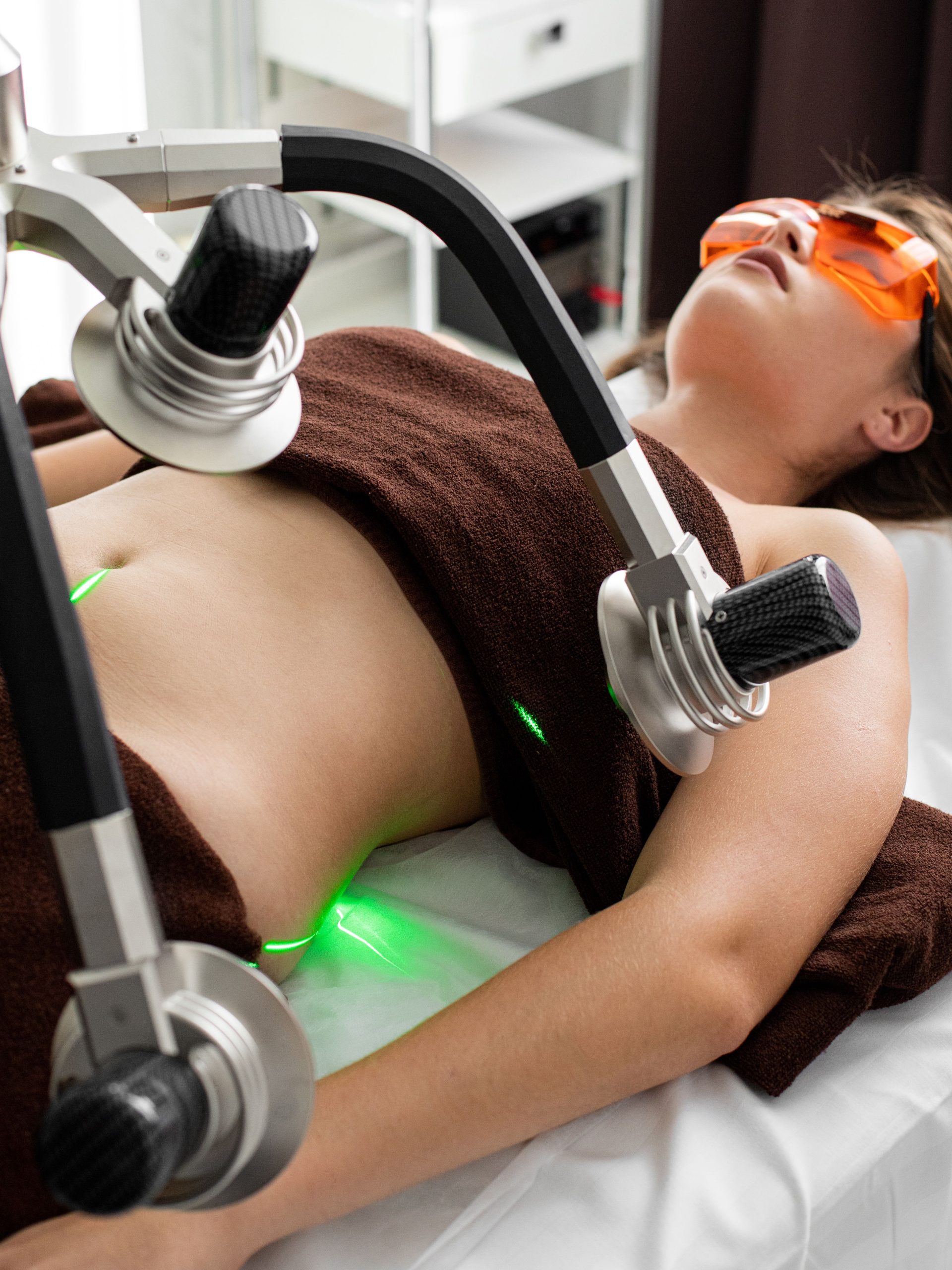
Welcome to Hair Follicle Anatomy & Laser Science™
Although unwanted hair is visible above the surface of the skin, the biological structures responsible for producing each hair lie beneath it.
Every hair grows from a specialised hair follicle embedded within the skin. These follicles are remarkably complex, containing living cells, blood vessels, connective tissue, pigment-producing cells and structures responsible for continuous hair growth throughout life.
Understanding how these structures function helps explain why Laser Hair Reduction is able to selectively target unwanted hair while protecting the surrounding skin.
At Aeternitas, we believe that understanding the science behind treatment is just as important as understanding the treatment itself.
Because every recommendation begins with understanding.
Why Hair Follicle Anatomy Matters
Laser Hair Reduction does not simply remove the visible hair shaft.
Instead, carefully controlled light energy is directed towards melanin within the actively growing hair, allowing energy to reach structures deep within the follicle during the anagen phase of the hair growth cycle.
Understanding the anatomy of the follicle helps explain:
- Why hair colour influences treatment.
- Why skin colour is considered during assessment.
- Why only actively growing hairs respond most effectively.
- Why multiple treatment sessions are required.
- Why comprehensive clinical assessment is essential.
The Hair Follicle
The hair follicle is a specialised organ located within the skin.
Although often thought of as a simple tube producing hair, the follicle is a highly organised biological structure that continually renews itself throughout life.
Each follicle functions independently, which is why neighbouring hairs may be at different stages of the hair growth cycle.
Healthy follicular function depends upon the interaction of several important anatomical structures.
Key Anatomical Structures
Hair Shaft
The hair shaft is the visible portion of the hair extending above the skin surface.
It contains melanin, the pigment responsible for hair colour, which absorbs laser energy during treatment.
Although the shaft itself is not living tissue, it provides the pathway through which laser energy reaches the follicle during the active growth phase.
Hair Root
The hair root lies beneath the skin surface and anchors the hair within the follicle.
During the anagen phase, the root remains firmly connected to the follicle, allowing laser energy to be transferred efficiently towards the deeper follicular structures.
Hair Bulb
The hair bulb forms the enlarged base of the follicle.
It contains rapidly dividing cells responsible for producing new hair and surrounds the dermal papilla.
Because of its biological activity during anagen, the bulb plays an important role in successful laser treatment.
Dermal Papilla
The dermal papilla is a small structure located at the base of the follicle.
It contains blood vessels and signalling cells that help regulate normal hair growth by supplying oxygen, nutrients and biological communication to the follicle.
Healthy interaction between the dermal papilla and surrounding follicular cells is essential for continued hair production.
Matrix Cells
Located within the hair bulb, matrix cells divide rapidly to produce the growing hair shaft.
These cells are highly active during the anagen phase, making this stage particularly important for Laser Hair Reduction.
Melanocytes
Melanocytes are specialised cells responsible for producing melanin.
Melanin gives hair its colour and provides the target for laser energy.
Generally, darker hairs contain more melanin than lighter hairs, allowing greater absorption of laser energy.
Sebaceous Gland
Each follicle is usually associated with a sebaceous gland.
These glands produce sebum, a natural oil that helps lubricate both the scalp or skin and the hair.
Healthy sebaceous function contributes to maintaining the surrounding skin environment.
Arrector Pili Muscle
This small muscle attaches to the follicle.
When stimulated by cold temperatures or emotional responses, it contracts, producing the familiar appearance of goosebumps.
Although not directly involved in Laser Hair Reduction, it forms part of the follicular anatomy assessed during skin examination.
Hair Follicles Are Biological Organs
Hair follicles are not passive structures.
They continually respond to:
- Hormonal influences.
- Genetics.
- Healthy ageing.
- Nutrition.
- Medications.
- Medical conditions.
- Stress.
- Environmental exposure.
- Local skin health.
This explains why hair growth varies considerably between individuals and why every Laser Hair Reduction programme should be personalised.
Selective Photothermolysis™
Laser Hair Reduction is based upon the scientific principle of selective photothermolysis.
This means that carefully selected wavelengths of light are preferentially absorbed by melanin within the hair while minimising unwanted heating of surrounding tissues.
By carefully selecting appropriate treatment parameters according to your skin type, hair characteristics and clinical assessment, laser energy can be delivered with precision while prioritising patient safety.
This principle forms the scientific foundation of modern Laser Hair Reduction.
Why Melanin Matters
Melanin acts as the natural target for laser energy.
In general:
- Darker hairs contain more melanin.
- Grey, white, blonde and very light red hairs contain less melanin.
Because laser energy depends on melanin absorption, hair colour influences how effectively different hairs respond to treatment.
The relationship between melanin, hair colour and skin colour will be explored in the next section of this collection.
Could Laser Hair Reduction Be Suitable For Me?
Laser Hair Reduction may be suitable if you are looking to reduce unwanted hair on the face or body and have realistic expectations about the treatment process.
During your consultation, we assess:
- Hair colour.
- Hair thickness.
- Hair density.
- Skin type.
- Treatment area.
- Medical history.
- Previous hair removal methods.
- Lifestyle factors.
These findings help determine whether Laser Hair Reduction is clinically appropriate and how your programme should be personalised.
Clinical Assessment Framework™
Every consultation begins with understanding your individual biology.
Our assessment may include:
- Hair colour and pigment.
- Hair shaft thickness.
- Hair density.
- Hair growth pattern.
- Fitzpatrick Skin Type.
- Skin condition.
- Presence of tattoos within or near the treatment area.
- Active inflammatory skin conditions.
- Medical history.
- Current medications.
- Hormonal influences.
- Previous laser or IPL treatments.
- Sun exposure.
- Lifestyle factors.
- Treatment goals.
- Long-term expectations.
This comprehensive assessment forms the foundation of safe, evidence-informed treatment planning.
The Art of Scientific Aesthetics
Frequently Asked Questions
It is a long established fact that a read will be distracted by the readable content of a page when looking at its layout. The point of using Lorem Ipsum is that it has a more or less.
It is a long established fact that a read will be distracted by the readable content of a page when looking at its layout. The point of using Lorem Ipsum is that it has a more or less.
It is a long established fact that a read will be distracted by the readable content of a page when looking at its layout. The point of using Lorem Ipsum is that it has a more or less.
It is a long established fact that a read will be distracted by the readable content of a page when looking at its layout. The point of using Lorem Ipsum is that it has a more or less.
It is a long established fact that a read will be distracted by the readable content of a page when looking at its layout. The point of using Lorem Ipsum is that it has a more or less.