Moles, Birthmarks & Pigmented Lesions™
Understanding Why Skin Lesions Require Careful Assessment Before Laser Hair Reduction
Welcome to Moles, Birthmarks & Pigmented Lesions™
Most people have moles, freckles, birthmarks or other naturally pigmented areas of skin.
In the majority of cases, these are completely harmless and form part of normal skin variation.
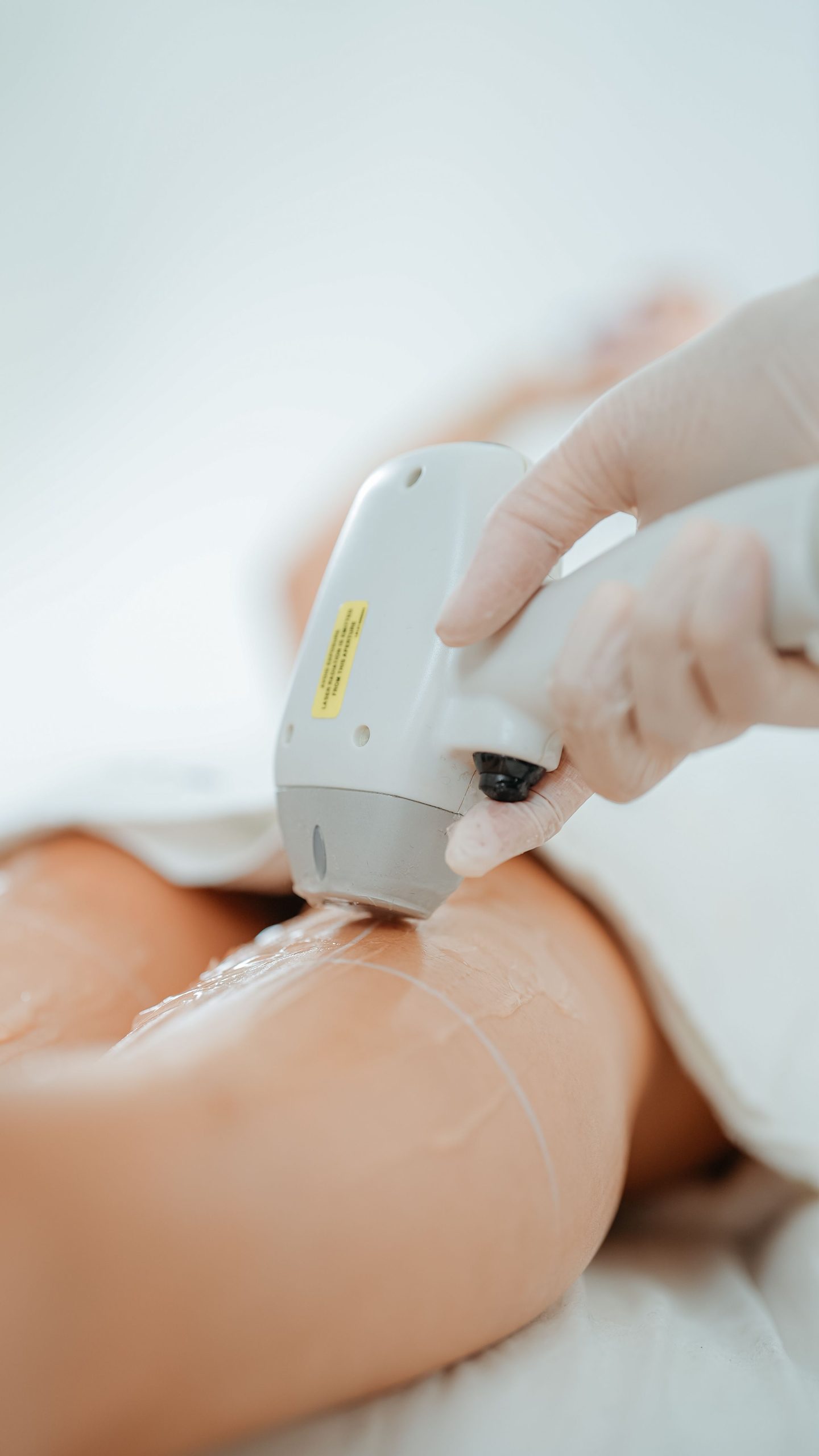
However, because Laser Hair Reduction works by delivering light energy that interacts with pigment, it is important that all pigmented skin lesions are carefully assessed before treatment begins.
At Aeternitas, protecting your skin is always our first priority.
This means that we never simply focus on the unwanted hair—we also carefully assess the skin beneath it.
Understanding Pigmented Skin Lesions
The term pigmented lesion describes any area of skin containing more visible pigment than the surrounding tissue.
Common examples include:
- Moles (melanocytic naevi)
- Freckles
- Congenital birthmarks
- Café-au-lait patches
- Solar lentigines (“sun spots”)
- Age spots
- Areas of post-inflammatory pigmentation
Most are entirely benign, but every pigmented lesion deserves appropriate clinical attention.
Why Do They Matter During Laser Hair Reduction?
Laser Hair Reduction targets pigment within the hair follicle.
Pigmented skin lesions also contain varying amounts of pigment.
If laser energy is delivered directly over certain lesions, it may:
- Cause unnecessary heating.
- Alter the appearance of the lesion.
- Make future monitoring more difficult.
- Increase the risk of local skin irritation.
For this reason, treatment planning includes careful identification of significant pigmented lesions before treatment begins.
Clinical Assessment Comes First
During your consultation your clinician will examine the treatment area and identify any skin features that require particular attention.
This assessment may include:
- Existing moles.
- Birthmarks.
- Areas of increased pigmentation.
- Recently changed skin lesions.
- Areas previously examined by your GP or dermatologist.
Every assessment forms part of our Clinical Assessment Framework™.
We Do Not Diagnose Skin Lesions
It is important to understand that Aeternitas does not diagnose skin cancer or other medical skin conditions.
Our responsibility is to recognise when a lesion requires further medical assessment before cosmetic treatment proceeds.
If your clinician identifies a lesion that appears unusual or cannot be safely assessed within the scope of aesthetic practice, treatment will be postponed and you may be advised to seek assessment from your GP or an appropriate medical specialist.
Your health always takes priority over cosmetic treatment.
Covering Rather Than Treating
Where clinically appropriate, significant pigmented lesions are usually protected during treatment.
This may involve:
- Careful treatment planning.
- Avoiding direct laser exposure.
- Covering the lesion using an appropriate opaque protective material where suitable.
- Adjusting treatment boundaries.
This allows surrounding hair-bearing skin to be treated while helping protect the lesion.
Changes in Moles Should Never Be Ignored
Before every appointment we encourage clients to tell us if they have noticed any changes affecting their skin.
Examples include:
- A mole becoming larger.
- A change in colour.
- A change in shape.
- New irregular borders.
- Bleeding.
- Persistent itching.
- Crusting.
- A lesion that appears significantly different from neighbouring moles.
These changes do not automatically indicate a serious condition.
However, they should always be assessed appropriately by a qualified medical professional before cosmetic treatment proceeds.
Birthmarks
Birthmarks vary considerably.
Some contain little pigment, while others are heavily pigmented or involve blood vessels.
Because every birthmark is different, your clinician will assess:
- Its location.
- Its appearance.
- Whether treatment nearby is appropriate.
- Whether treatment boundaries require modification.
Recommendations are always personalised.
Freckles and Sun Spots
Freckles and solar lentigines are extremely common.
These areas do not necessarily prevent Laser Hair Reduction.
However, extensive pigmentation may influence:
- Clinical assessment.
- Parameter selection.
- Overall treatment planning.
Your clinician will explain any relevant considerations during consultation.
Previous Skin Cancer
If you have previously been diagnosed with skin cancer or have undergone treatment for suspicious skin lesions, please inform your clinician during your consultation.
This information allows us to:
- Review your medical history.
- Assess treatment suitability.
- Determine whether additional precautions are appropriate.
- Recommend medical review if necessary.
Previous skin cancer does not automatically prevent Laser Hair Reduction, but it is an important part of safe treatment planning.
Monitoring Your Skin
Laser Hair Reduction appointments provide an opportunity to review treated areas regularly.
Although we do not diagnose skin disease, we encourage all clients to remain familiar with their own skin.
If you notice a new or changing lesion between appointments, please seek appropriate medical advice and inform your clinician before further treatment.
Common Misconceptions™
“Laser Hair Reduction removes moles.”
No.
Laser Hair Reduction is not designed to remove moles or other pigmented lesions.
“If a mole has been there for years, it doesn’t need checking.”
Even long-standing lesions should be monitored for significant changes over time.
“You can tell immediately if a mole is harmless.”
No.
Only an appropriately qualified healthcare professional can diagnose skin lesions.
If there is uncertainty, medical assessment is the safest approach.
“Freckles mean I cannot have Laser Hair Reduction.”
Not necessarily.
Freckles are extremely common and often do not prevent treatment.
Your clinician will assess your skin as part of your personalised consultation.
Our Commitment to Safety™
Protecting your skin means protecting every part of it—not only the hair follicles being treated.
At Aeternitas we believe responsible practice includes recognising when cosmetic treatment should pause so that medical assessment can take priority.
Your wellbeing always comes first.
Why Choose Aeternitas?™
At Aeternitas, our clinicians look beyond the unwanted hair.
We carefully assess the skin itself because safe Laser Hair Reduction begins with recognising when treatment is appropriate—and when further medical assessment is the safest option.
Every recommendation reflects:
- Truth
- Trust
- Clinical Excellence
- Personalised Care
Your health will always take precedence over cosmetic treatment.
The Art of Scientific Aesthetics
Frequently Asked Questions

No.
Many moles simply require appropriate protection or avoidance during treatment.
Your clinician will assess each lesion individually.
Many people do.
Your clinician will map the treatment area carefully and modify treatment where appropriate.
Yes.
Please let us know about any lesions currently being monitored or investigated.
This helps ensure safe treatment planning.
This article links closely with:
- Patch Testing & Laser Safety™
- Tattoos & Laser Hair Reduction™
- Skin Conditions & Laser Hair Reduction™
- Contraindications Explained™
- When Treatment Should Be Postponed™
- Sun Exposure & Fake Tan™
- Understanding Fitzpatrick Skin Types™