Understanding Unwanted Hair Growth™
Understanding Why Unwanted Hair Develops & How Personalised Assessment Supports Appropriate Treatment
Every Hair Has a Biological Purpose
Welcome to Understanding Unwanted Hair Growth™
Hair is a normal and important part of human biology.
From helping regulate body temperature to providing protection and supporting sensory function, hair serves many roles throughout the body. The amount, thickness and distribution of hair vary naturally between individuals and are influenced by genetics, hormones, ethnicity, age and overall health.
For some people, however, hair may grow in areas where it feels unwanted or become more noticeable over time. These changes can affect confidence, grooming routines and daily life.
At Aeternitas, we believe the first step is not simply removing unwanted hair—it is understanding why it has developed.
By identifying the biological factors influencing hair growth, we can develop a personalised programme based on your individual needs rather than applying a standard treatment to every client.
Because every recommendation begins with understanding.
What Is Unwanted Hair?
The term unwanted hair means different things to different people.
For one individual it may be a few hairs on the chin.
For another it may involve the back, chest, shoulders, legs or intimate areas.
Some people simply prefer less body hair for personal, cultural or sporting reasons, while others notice changes associated with hormonal influences or life stages.
The decision to seek treatment is therefore highly individual.
At Aeternitas we respect that there is no single definition of unwanted hair.
Why Does Hair Grow?
Hair growth is influenced by a combination of biological factors.
These include:
- Genetics.
- Hormones.
- Age.
- Ethnicity.
- Sex.
- Medical conditions.
- Certain medications.
- Lifestyle.
- Natural hair growth cycles.
Each of these factors may influence:
- Where hair grows.
- How much hair develops.
- Hair thickness.
- Hair colour.
- Hair density.
- The rate of regrowth.
Understanding these influences forms an important part of our Clinical Assessment Framework™.
Vellus Hair & Terminal Hair
The body contains two main types of hair.
Vellus Hair
Vellus hairs are:
- Fine.
- Soft.
- Usually lightly pigmented.
- Present across much of the body.
These hairs are sometimes called “peach fuzz.”
Terminal Hair
Terminal hairs are:
- Thicker.
- Coarser.
- More deeply pigmented.
- More visible.
Terminal hairs commonly develop on areas such as:
- Scalp.
- Beard.
- Underarms.
- Pubic region.
Hormonal influences may also cause vellus hairs in certain areas to gradually become terminal hairs over time.
Normal Changes Throughout Life
Hair distribution changes naturally throughout life.
Examples include:
- Puberty.
- Pregnancy.
- The post-partum period.
- Menopause.
- Healthy ageing.
These changes are normal biological processes and vary considerably between individuals.
Not every change requires treatment.
Sometimes education and reassurance are the most appropriate recommendations.
When Further Assessment May Be Appropriate
Occasionally, noticeable changes in hair growth may warrant further medical assessment.
Examples include:
- Rapid or unexpected changes.
- Hair growth accompanied by changes in menstrual patterns.
- Other symptoms suggesting hormonal imbalance.
- Significant changes associated with certain medications.
- Concerns linked to underlying medical conditions.
Where appropriate, we may recommend that you consult your GP or another healthcare professional before proceeding with treatment.
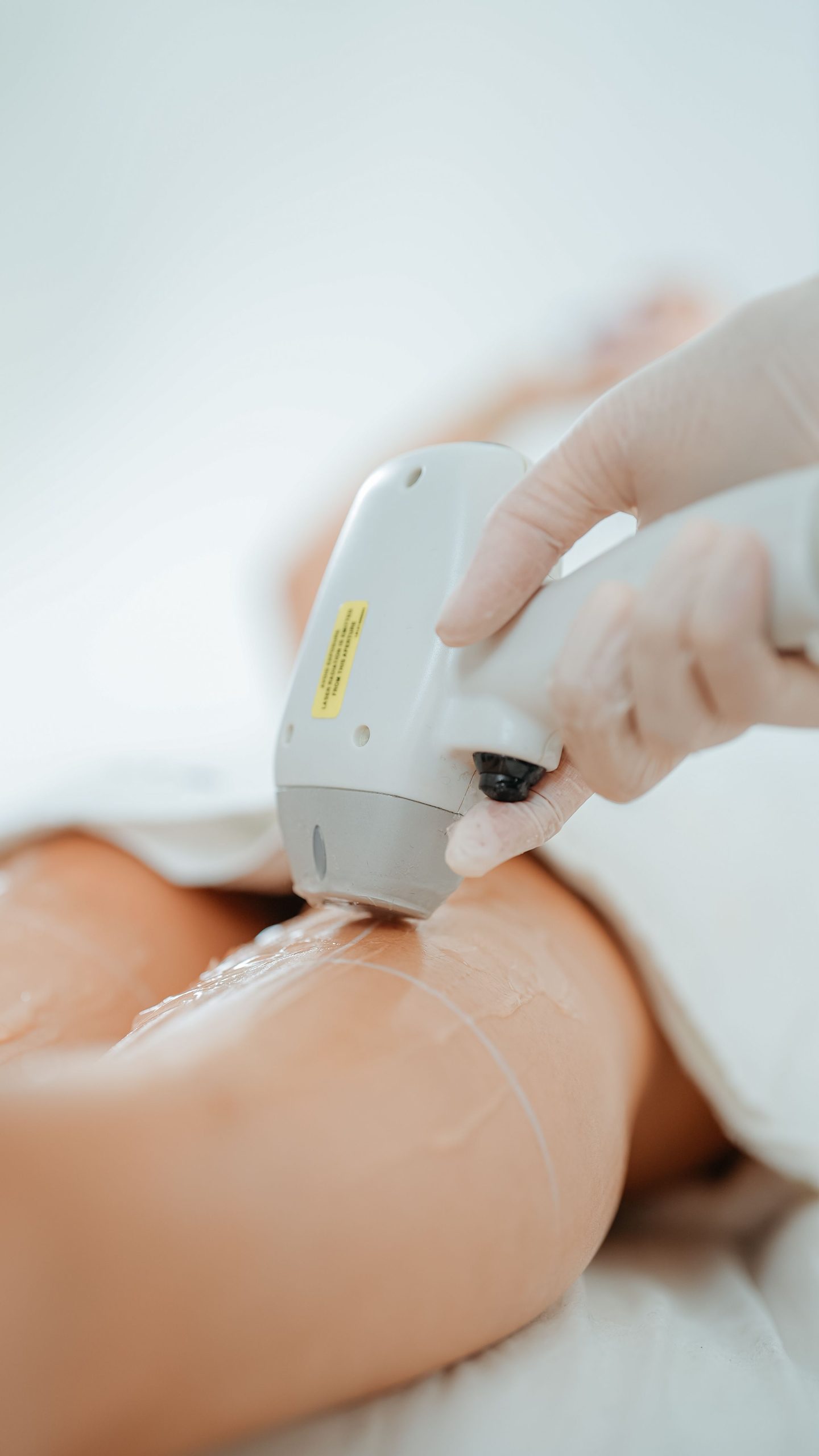
Laser Hair Reduction addresses unwanted hair—it does not diagnose or treat the underlying cause of increased hair growth.
Personal Choice Matters
Some clients seek treatment because of a medical condition.
Others simply prefer smoother skin or wish to reduce the time spent shaving or waxing.
Both reasons are entirely valid.
Our role is not to judge your reasons for seeking treatment.
Our role is to provide honest information, assess your individual circumstances and recommend appropriate care.
Could Laser Hair Reduction Be Suitable For Me?
You may wish to explore Laser Hair Reduction if you:
- Regularly shave, wax or pluck unwanted hair.
- Experience frequent ingrown hairs.
- Have irritation following shaving.
- Wish to reduce long-term grooming.
- Prefer smoother skin.
- Have unwanted facial or body hair.
- Would like a personalised, evidence-informed treatment programme.
Whether treatment is appropriate depends upon your individual assessment.
Clinical Assessment Framework™
Every consultation begins with understanding your individual biology.
Your assessment may include:
- Hair growth pattern.
- Hair type.
- Hair density.
- Hair thickness.
- Skin characteristics.
- Hormonal influences.
- Medical history.
- Current medications.
- Previous hair removal methods.
- Lifestyle.
- Treatment goals.
- Long-term expectations.
This comprehensive assessment allows every programme to be personalised according to your individual needs.
Laser Hair Reduction Fact™
The amount and distribution of body hair vary naturally between individuals and are influenced by genetics, hormones and normal biological development.
Treatment Preparation Tip™
Before your consultation, think about how your hair has changed over time.
Understanding when changes first appeared and whether they developed gradually or suddenly can help guide your assessment.
Laser Safety Spotlight™
If hair growth has changed rapidly or is accompanied by other health concerns, further medical assessment may be appropriate before treatment begins.
Laser Hair Reduction should always complement good medical care, not replace it.
Skin Protection Advice™
Healthy skin supports safer treatment.
Avoid excessive sun exposure, fake tanning products and unnecessary skin irritation before your consultation, and let us know about any active skin conditions or recent changes.
Aeternitas Safety First™
Our responsibility is to understand why unwanted hair has developed before recommending treatment.
Where further medical investigation may be appropriate, we will explain our reasons openly and support you in seeking the most suitable care.
Patient wellbeing always comes before treatment.
Potential Benefits
Where clinically appropriate, a personalised Laser Hair Reduction programme may help support:
- Long-term reduction in unwanted hair.
- Reduced dependence on shaving, waxing and plucking.
- Improved convenience.
- Reduced irritation associated with temporary hair removal.
- Increased confidence.
- A grooming routine tailored to your personal preferences.
Individual outcomes vary and cannot be guaranteed.
Did You Know?™
The average person has millions of hair follicles across their body, but only some produce visible terminal hairs.
Changes in hormones and ageing can influence which follicles become more active over time.
Myth vs Science™
Myth
“Unwanted hair always means something is medically wrong.”
Science
Not necessarily.
Many people naturally have more visible hair due to genetics, ethnicity or normal hormonal changes throughout life.
However, sudden or significant changes should be assessed appropriately, which is why a comprehensive consultation is an important part of safe, personalised care.
Aeternitas Clinical Insight™
One of the most important aspects of personalised care is recognising that unwanted hair is not a diagnosis—it is a concern with many possible causes.
By understanding the underlying biology before recommending treatment, we can provide care that is honest, individualised and evidence-informed.
Looking Ahead™
The following pages explore specific causes and patterns of unwanted hair growth in greater detail, including:
- Female Facial Hair™
- Male Grooming & Hair Reduction™
- Hormonal Hair Growth™
- Hirsutism Explained™
- Hypertrichosis Explained™
Each page builds on the knowledge you’ve gained here, helping you understand your own concerns before exploring personalised treatment options.
The Art of Scientific Aesthetics
Frequently Asked Questions

It is a long established fact that a read will be distracted by the readable content of a page when looking at its layout. The point of using Lorem Ipsum is that it has a more or less.
It is a long established fact that a read will be distracted by the readable content of a page when looking at its layout. The point of using Lorem Ipsum is that it has a more or less.
It is a long established fact that a read will be distracted by the readable content of a page when looking at its layout. The point of using Lorem Ipsum is that it has a more or less.
It is a long established fact that a read will be distracted by the readable content of a page when looking at its layout. The point of using Lorem Ipsum is that it has a more or less.
It is a long established fact that a read will be distracted by the readable content of a page when looking at its layout. The point of using Lorem Ipsum is that it has a more or less.